Pulmonary Fibrosis: Do Not Ignore Persistent Breathlessness
By drsushantmuley
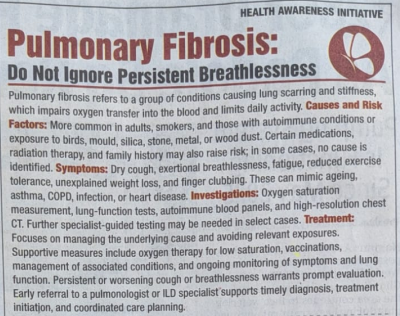
Persistent breathlessness, a dry cough, or unusual tiredness during everyday activities should never be ignored. While these symptoms can occur due to several respiratory conditions, they may sometimes indicate pulmonary fibrosis, a lung disease that causes scarring of lung tissue and makes breathing increasingly difficult.
Pulmonary fibrosis affects the lungs' ability to transfer oxygen efficiently into the bloodstream. As the condition progresses, even simple activities such as walking, climbing stairs, or performing household tasks may become challenging. Recognising the warning signs and seeking timely medical evaluation can help patients understand their condition and explore appropriate treatment and symptom-management options.
If you experience ongoing breathing difficulties, consulting an experienced Pulmonologist in Nagpur can help identify the possible cause and determine the next steps for your respiratory health.
What Is Pulmonary Fibrosis?
Pulmonary fibrosis is a chronic lung condition in which lung tissue becomes thick, stiff, and scarred. This scarring makes it harder for the lungs to expand normally and transfer oxygen into the bloodstream.
The condition belongs to a group of disorders known as interstitial lung diseases. In some patients, the underlying cause may be linked to autoimmune diseases, certain medications, or environmental and occupational exposures. In other cases, the cause remains unknown, as in idiopathic pulmonary fibrosis (IPF).
Because lung scarring can progress over time, recognising symptoms early and receiving an accurate diagnosis are important steps in managing the condition.
Common Symptoms of Pulmonary Fibrosis
Symptoms may develop gradually and can become more noticeable as the disease progresses. Common warning signs include:
- Persistent breathlessness: Feeling short of breath while walking, climbing stairs, or doing routine activities.
- Dry, persistent cough: A cough that continues for weeks and does not improve as expected.
- Unusual fatigue: Feeling tired or weak even after light physical activity.
- Reduced exercise tolerance: Finding it increasingly difficult to complete activities that were previously manageable.
- Unexplained weight loss: Losing weight without making intentional changes to your diet or routine.
- Finger clubbing: In some cases, the fingertips may become wider or rounded.
These symptoms can also occur with asthma, COPD, heart disease, and other conditions. Therefore, symptoms alone cannot confirm pulmonary fibrosis, and medical evaluation is essential.
If breathlessness persists or gradually worsens, consult a Pulmonologist in Nagpur for an appropriate assessment rather than relying only on home remedies or over-the-counter medicines.
What Causes Pulmonary Fibrosis?
Pulmonary fibrosis can develop for several reasons, and identifying the underlying cause helps guide treatment.
Potential causes and risk factors include:
- Environmental exposure: Long-term exposure to certain dust particles, mould, or harmful substances at work or home.
- Autoimmune conditions: Certain diseases affecting the immune system can damage lung tissue.
- Medications: Some medicines may cause lung inflammation or injury in susceptible individuals.
- Smoking: Smoking is associated with an increased risk of idiopathic pulmonary fibrosis.
- Family history and age: The risk of some forms of pulmonary fibrosis increases with age and may be influenced by genetics.
- Unknown causes: In idiopathic pulmonary fibrosis, the exact cause cannot be identified.
Not everyone with these risk factors will develop pulmonary fibrosis. A detailed medical history and appropriate investigations help determine whether further testing is necessary.
How Is Pulmonary Fibrosis Diagnosed?
Diagnosing pulmonary fibrosis requires more than identifying breathlessness or a persistent cough. A respiratory specialist may recommend different tests depending on the symptoms, medical history, and examination findings.
1. Medical history and physical examination
The doctor reviews your symptoms, smoking history, medication use, family history, and possible exposure to dust or other substances. Listening to the lungs may also reveal unusual breathing sounds.
2. Chest X-ray and high-resolution CT scan
Imaging tests help identify changes in lung tissue. A high-resolution computed tomography (HRCT) scan provides detailed images that can help detect and characterise lung scarring.
3. Pulmonary function tests
These tests measure lung capacity and how effectively the lungs transfer oxygen. They can help assess the impact of the disease and monitor changes over time.
4. Blood tests and additional investigations
Blood tests may help identify autoimmune conditions or exclude other causes of respiratory symptoms. In selected cases, further investigations, including bronchoscopy or a lung biopsy, may be considered.
The combination of clinical assessment, lung function testing, and imaging helps the specialist determine the likely diagnosis and whether additional evaluation is required.
Treatment Options for Pulmonary Fibrosis
Treatment depends on the type of pulmonary fibrosis, its severity, the rate of progression, and the patient's overall health. Although established lung scarring generally cannot be reversed, appropriate treatment may help slow disease progression in some forms and improve quality of life.
A treatment plan may include:
- Antifibrotic medicines: Drugs such as nintedanib or pirfenidone may help slow the progression of idiopathic pulmonary fibrosis in appropriate patients.
- Oxygen therapy: Supplemental oxygen may be recommended when blood oxygen levels are too low.
- Pulmonary rehabilitation: Supervised exercise, breathing techniques, and education can help patients manage breathlessness and maintain physical function.
- Treatment of associated conditions: Managing underlying autoimmune disease or other contributing conditions may be important.
- Specialist follow-up: Regular assessments help monitor symptoms, oxygen levels, and lung function.
- Lung transplant assessment: Selected patients with advanced disease may be evaluated for transplantation.
Not every treatment is suitable for every patient. Medication decisions and follow-up should be guided by the treating specialist.
Can Pulmonary Fibrosis Be Confused With Asthma?
Yes. Breathlessness and coughing may occur in both conditions, but pulmonary fibrosis and asthma affect the lungs differently.
Asthma involves inflammation and narrowing of the airways, often causing episodes of wheezing, coughing, chest tightness, and difficulty breathing. Pulmonary fibrosis involves scarring and stiffness of lung tissue, which can interfere with oxygen transfer.
Some symptoms overlap, so an accurate diagnosis is important before starting or changing treatment.
Consulting an Asthma Specialist in Nagpur can help assess symptoms suggestive of asthma, while persistent or progressively worsening breathlessness may require investigations for other lung conditions, including pulmonary fibrosis.
Do not assume that ongoing breathlessness is asthma simply because you have previously used an inhaler. A fresh medical assessment may be needed if your symptoms change or do not improve.
When Should You Consult a Pulmonologist?
You should arrange a medical assessment if you experience:
- Breathlessness that persists or gradually worsens.
- A dry cough that does not resolve.
- Difficulty walking or climbing stairs because of breathing problems.
- Unexplained fatigue or a decline in your usual activity levels.
- New breathing symptoms alongside a history of smoking, occupational dust exposure, or autoimmune disease.
A Pulmonologist in Nagpur can evaluate these warning signs, recommend suitable investigations, and help establish an appropriate management plan.
Seek emergency medical care if you develop sudden or severe breathlessness, particularly at rest, blue or grey lips, fainting, or severe chest pain. Do not wait for a routine appointment in these circumstances.
Tips for Supporting Lung Health
Although pulmonary fibrosis cannot always be prevented, some practical steps may help protect respiratory health and support ongoing care.
- Avoid smoking and exposure to second-hand smoke.
- Reduce exposure to dust, fumes, and other respiratory irritants.
- Use appropriate protective equipment when working around hazardous particles.
- Attend scheduled medical appointments and complete recommended tests.
- Follow prescribed treatment and discuss any side effects with your doctor.
- Participate in supervised pulmonary rehabilitation if recommended.
- Stay physically active within your medical limits and follow your doctor's advice about exercise.
These measures do not reverse existing lung scarring, but they may help support overall health and disease management.
Consult Dr. Sushant Mule for Respiratory Evaluation in Nagpur
Persistent breathlessness should not be dismissed as a normal part of ageing or a minor respiratory complaint. When symptoms continue or become progressively worse, timely evaluation can help identify the underlying problem and guide appropriate care.
Dr. Sushant Mule, MD Pulmonologist, Nagpur, can assess respiratory symptoms and help determine whether further investigations or specialist management are needed.
Whether you are experiencing a persistent cough, reduced exercise tolerance, or unexplained breathing difficulties, seeking medical advice is an important step towards understanding your lung health. Patients looking for an Asthma Specialist in Nagpur can also seek assessment when symptoms may be related to asthma or another respiratory condition.
If you are concerned about ongoing breathlessness, arrange a consultation with a qualified respiratory specialist and discuss your symptoms, medical history, and available diagnostic options.